
Tips for Creating a Comfortable and Productive Home Office Space
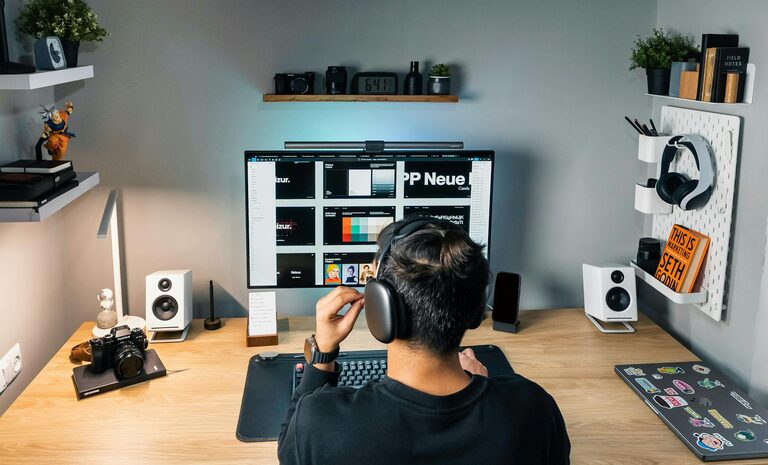
Creating a home office that is both comfortable and productive can make a big difference in your daily work routine. Whether you work remotely full-time or need a dedicated spot for occasional tasks, a well-designed workspace helps you stay focused and motivated. Here are some expert tips to help you build a home office that meets your needs.
Choose the Right Location
The first step in creating a functional home office is picking the best spot. Ideally, find a quiet corner or a spare room that offers some privacy and minimal distractions.
– Natural light: A space near a window provides natural light, which can improve mood and reduce eye strain.
– Away from noise: Try to avoid noisy areas like kitchens or living rooms where household activity can disrupt concentration.
– Room to move: Ensure the area has enough space for your desk, chair, and additional equipment without feeling cramped.
Invest in Ergonomic Furniture
Comfort is key when you spend long hours working at a desk. Ergonomic furniture supports your posture and helps prevent aches and strains.
– Ergonomic chair: Choose a chair with adjustable height, lumbar support, and comfortable cushioning.
– Desk at the right height: Your desk should allow your elbows to rest at a 90-degree angle when typing.
– Footrests and accessories: Use wrist supports, footrests, or adjustable monitor stands to maintain good posture.
Optimize Lighting
Good lighting reduces eye strain and creates an inviting workspace.
– Layered lighting: Combine natural light with overhead lighting and task lamps to brighten your desk area.
– Adjustable lamps: Use desk lamps with adjustable arms or dimming features to control brightness.
– Avoid glare: Position your monitor to avoid reflections from windows or lights.
Organize Your Workspace
A clutter-free desk helps you focus and find what you need quickly.
– Storage solutions: Use shelves, drawers, or filing cabinets to keep documents and supplies organized.
– Desk organizers: Trays, pen holders, and cable management tools keep small items tidy.
– Regular cleaning: Schedule time each week to declutter and tidy your space.
Incorporate Personal Touches
Adding a few personal elements can make your home office feel welcoming without causing distractions.
– Plants: Indoor plants improve air quality and add a splash of color.
– Artwork: Hang pictures or posters that inspire or motivate you.
– Comfort items: Include cozy blankets or cushions to enhance comfort during breaks.
Minimize Distractions
Creating boundaries between work and home life helps maintain focus.
– Set work hours: Stick to a routine to separate work time from personal time.
– Use noise-canceling headphones: Block out background noise when needed.
– Limit phone distractions: Silence non-urgent notifications or place your phone away from reach during work blocks.
Optimize Technology Setup
Reliable and efficient technology increases productivity.
– High-speed internet: Ensure your connection supports video calls and online collaboration smoothly.
– Quality peripherals: Invest in a good keyboard, mouse, and monitor for ease of use.
– Backup solutions: Use cloud storage or external drives to protect important files.
Maintain Good Air Quality
Fresh air supports alertness and overall well-being.
– Ventilate regularly: Open windows when possible to allow fresh air circulation.
– Air purifiers: Consider air purifiers if the room tends to feel stuffy.
– Humidity control: Use humidifiers or dehumidifiers depending on your local climate for optimal comfort.
Take Breaks and Move
Even with the best setup, sitting for long periods isn’t ideal.
– Scheduled breaks: Stand up and stretch or take a short walk every hour.
– Standing desk options: Consider desks that convert to standing height to alternate your posture.
– Exercise space: Dedicate a small area for stretching or light exercises during breaks.
—
Building a comfortable and productive home office is about balancing functionality with comfort. By thoughtfully arranging your space and setting habits that support your work style, you can create an environment that encourages focus and makes working from home enjoyable. Start with small changes and adjust as you discover what works best for you. Happy working!
Related Post
Tips for Creating a Cozy and Inviting Home Workspace
Discover practical tips to design a cozy and inviting home workspace that boosts productivity and [...]
Tips for Creating a Cozy and Functional Home Workspace
Discover practical tips to design a home workspace that blends comfort and productivity, making your [...]
Tips for Creating a Relaxing Home Workspace to Boost Productivity
Discover practical tips to design a calm and comfortable home workspace that enhances focus and [...]