
Tips for Creating a Relaxing Home Workspace to Boost Productivity
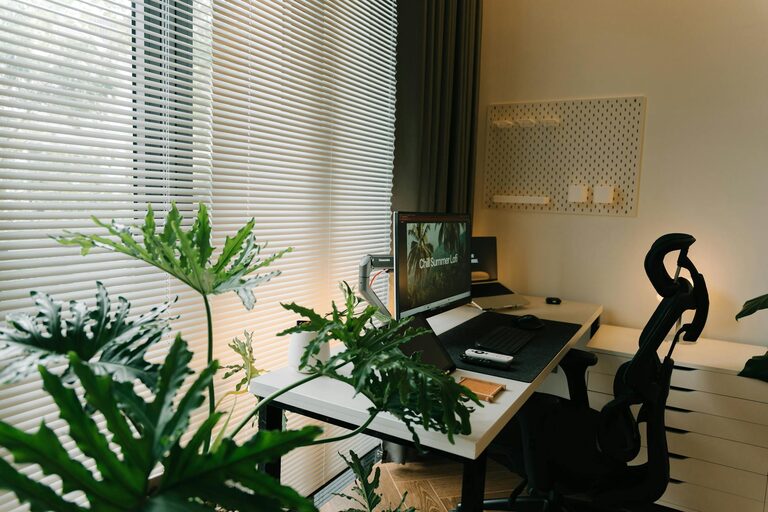
Creating a relaxing home workspace can significantly improve your productivity and overall well-being. Whether you work from home full-time or need a quiet spot to catch up on tasks, having a dedicated area that promotes focus and calmness is essential. This guide offers practical tips to help you design a workspace that feels peaceful and motivates you to work efficiently.
Why a Relaxing Workspace Matters
Your environment influences how you work. A cluttered or uncomfortable workspace can increase stress and distractions, reducing your efficiency. Conversely, a relaxed and organized space can improve concentration, creativity, and even your mood. By intentionally creating a calming workspace, you set yourself up for success.
Choose the Right Location
Consider Natural Light
Position your workspace near a window if possible. Natural light helps regulate your circadian rhythm, boosts energy, and lowers eye strain. If natural light isn’t an option, invest in a good-quality desk lamp with adjustable brightness and color temperature to mimic daylight.
Minimize Distractions
Select a quiet spot in your home where noise and movement are limited. Using noise-canceling headphones or adding soft background music can also help you stay focused.
Invest in Comfortable and Functional Furniture
Ergonomic Chair and Desk
Your chair should support good posture, with adjustable height and lumbar support. A desk at the right height prevents strain on your wrists and shoulders. Comfort reduces physical stress and helps you maintain focus for longer periods.
Keep Essentials Within Reach
Organize your desk so that frequently used items like pens, notebooks, and your computer are easy to access. This reduces unnecessary movement and interruptions.
Personalize Your Workspace with Calming Elements
Use Soothing Colors
Colors affect mood and productivity. Soft blues, greens, and neutrals are known to create a calming atmosphere. Avoid overly bright or intense colors that can be distracting.
Incorporate Plants
Adding greenery not only beautifies your space but can improve air quality and reduce stress. Choose low-maintenance plants such as succulents or snake plants.
Add Personal Touches
Include photos, artwork, or objects that inspire you, but keep these to a minimum to avoid clutter. A few meaningful items can create a positive emotional connection to your workspace.
Organize and Declutter Regularly
Use Storage Solutions
Keep your workspace tidy with shelves, drawers, or organizers. Having a designated place for everything makes it easier to find what you need and maintain order.
Digitize When Possible
Reduce paper clutter by scanning important documents and using digital tools for notes and scheduling. This also makes your workspace look cleaner.
Optimize Lighting and Screen Setup
Adjust Screen Position
Position your computer screen at eye level and about an arm’s length away to prevent neck strain and eye fatigue.
Use Adjustable Lighting
Supplement natural light with adjustable lamps that reduce glare on your screen. Soft, indirect lighting helps maintain a relaxed ambiance.
Set Boundaries and Create a Routine
Define Work Hours
Establish clear start and finish times to prevent burnout and create a work-life balance. Communicate these boundaries to family or housemates.
Take Regular Breaks
Short, frequent breaks improve focus and reduce stress. Use these moments to stretch, breathe deeply, or take a brief walk.
Maintain a Clean and Pleasant Atmosphere
Control Temperature and Air Quality
Keep your workspace at a comfortable temperature and ensure good ventilation. Fresh air reduces fatigue and increases alertness.
Use Pleasant Scents
A subtle scent, like lavender or citrus, can enhance relaxation and mood. Avoid overpowering fragrances that might cause discomfort.
Embrace Technology Wisely
Limit Notifications
Turn off non-essential notifications to minimize distractions. Use apps or tools that help you stay organized and focused.
Use Headphone Breaks
While headphones can block distractions, remember to give your ears breaks to avoid fatigue.
—
By thoughtfully designing your home workspace with relaxation and productivity in mind, you’ll create an environment that supports your best work. Incorporate these tips gradually and notice how a calm, organized space can transform your workday experience.
Related Post
Tips for Creating an Organized and Productive Home Workspace
Create a home workspace that boosts your productivity with these simple and effective organization tips. [...]
Tips for Creating a Comfortable and Productive Home Office Space
Make your home office both cozy and efficient with these practical tips to boost comfort [...]
Tips for Creating a Cozy and Functional Home Workspace
Discover practical tips to design a home workspace that blends comfort and productivity, making your [...]