
Tips for Creating a Relaxing and Productive Home Office Space
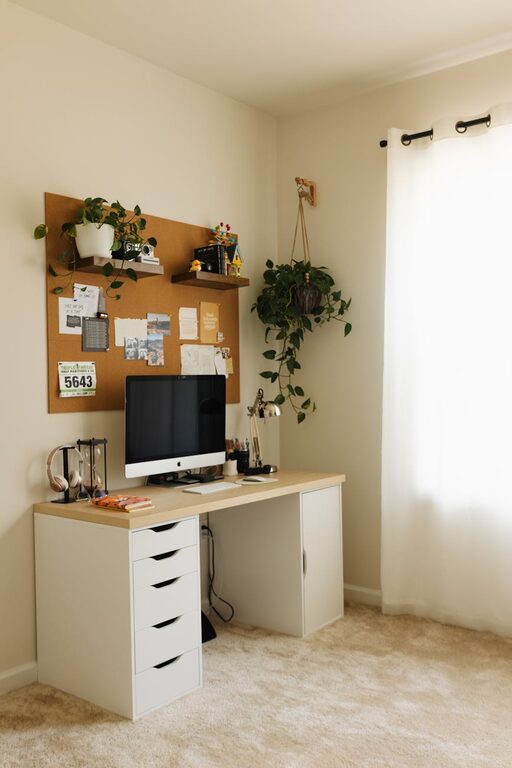
Creating a home office that is both relaxing and productive can be a game changer for anyone working from home. The right environment helps maintain focus, reduces stress, and encourages efficiency. Whether you have a dedicated room or just a small corner, the key is to design a space that suits your work style and personal comfort. Here are some practical tips to help you create the perfect home office space.
Choose the Right Location
Consider Natural Light
Natural light has a positive effect on mood and energy levels. Try to set up your office near a window to get as much daylight as possible. Avoid direct glare on your computer screen by positioning your desk at an angle to the window rather than directly facing it.
Minimize Distractions
Pick a quiet spot away from household noise and high-traffic areas. This can help you maintain concentration and keep your workflow smooth.
Invest in Comfortable Furniture
Ergonomic Chair and Desk
Comfort is key when you spend hours working at a desk. An ergonomic chair supports your back and encourages good posture. Adjustable desks are also worth considering so you can alternate between sitting and standing throughout the day.
Adequate Desk Space
Make sure your desk is large enough to hold your computer, documents, and any tools you need regularly. Clutter-free surfaces support better focus.
Organize Your Workspace Efficiently
Use Storage Solutions
Keep your office tidy by using shelves, drawers, and organizers. Label containers for easy access to supplies and files.
Cable Management
Tidy cables make the space look neat and prevent distractions. Use clips or cable organizers to keep cords out of sight and untangled.
Personalize Your Space
Add Plants
Indoor plants bring life to a room and can reduce stress. They also improve air quality, making your office more pleasant.
Choose Calming Colors
Colors affect mood. Soft blues, greens, and neutrals typically create a soothing environment that promotes focus and relaxation.
Incorporate Personal Items
A few photos, art pieces, or inspirational quotes can make the space feel welcoming without overwhelming it.
Optimize Lighting
Layer Your Lighting
In addition to natural light, use a combination of ambient, task, and accent lighting. A desk lamp with adjustable brightness is great for detailed work without straining your eyes.
Avoid Harsh Lights
Choose bulbs that mimic daylight or provide warm tones to create a relaxing atmosphere.
Maintain Good Airflow and Temperature
A well-ventilated room helps keep you alert and comfortable. If possible, open a window periodically or use a fan or air purifier. Also, ensure the temperature is neither too hot nor too cold to support productivity.
Set Boundaries for Work and Rest
Define Your Work Hours
Stick to consistent start and end times to help separate work from personal life, which reduces burnout.
Take Breaks and Move
Regular short breaks improve focus and wellbeing. Stretch, walk around, or do light exercises to stay energized.
Technology Setup
Reliable Internet and Tools
Ensure your internet connection is strong and your computer and other devices function properly. Using good-quality headphones can help block noise during calls.
Keep Software Updated
Stay organized by using task management or calendar apps that keep your schedule on track.
Keep It Simple
Avoid overcrowding your workspace. Aim for a minimalist approach that emphasizes functionality and calmness.
—
By following these tips, you can create a home office that feels inviting and encourages productive work habits. Remember that your workspace reflects your personal needs and preferences, so feel free to adjust and improve it over time. A well-designed home office not only helps you do your best work but also makes working from home an enjoyable experience.
Related Post
Tips for Creating a Cozy and Functional Home Workspace
Discover practical tips to design a home workspace that blends comfort and productivity, making your [...]
Tips for Creating a Comfortable and Productive Home Office Space
Make your home office both cozy and efficient with these practical tips to boost comfort [...]
Tips for Creating a Cozy and Inviting Home Office Space
Discover simple, effective ways to transform your home office into a cozy, inviting spot that [...]