
Tips for Creating a Relaxing Home Workspace to Boost Productivity
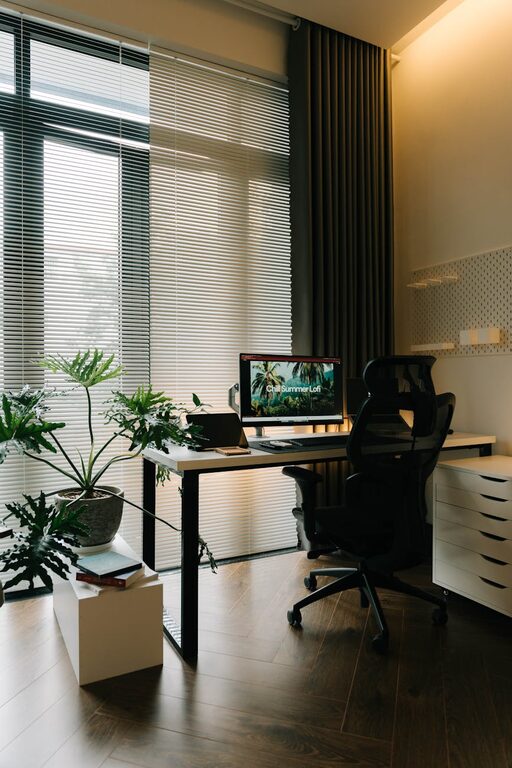
Creating a comfortable and relaxing home workspace is essential for maintaining productivity, especially if you spend a significant amount of time working from home. A well-designed workspace not only helps you stay focused but also reduces stress and promotes overall well-being. Here are some practical tips to help you create a workspace that feels both calming and inspiring.
Choose the Right Location
The first step in setting up a relaxing workspace is selecting the right spot in your home. Ideally, choose a quiet area with minimal distractions. If possible, pick a space with natural light, as it can boost mood and energy levels.
Tips for Choosing Your Workspace Location:
– Avoid high-traffic areas to reduce noise and interruptions.
– Opt for a spot with good ventilation to keep the air fresh.
– If space is limited, consider a corner of a room or a dedicated desk nook.
Invest in Comfortable Furniture
Comfort plays a crucial role in productivity. An ergonomic chair and a desk at the right height help prevent discomfort during long work hours.
What to Look for in Furniture:
– Adjustable chair with good lumbar support.
– Desk with enough surface space for your computer, planner, and other essentials.
– Footrest if your feet don’t naturally reach the floor when seated.
Declutter and Organize
A cluttered workspace can lead to distraction and stress. Keeping your area tidy promotes a clear mind.
Simple Organizing Tips:
– Use drawer organizers or desk trays to keep supplies in order.
– Limit the number of items on your desk to essentials.
– Regularly clear out papers and other unnecessary materials.
Incorporate Calming Colors and Decor
Colors influence mood, so choose calming tones like soft blues, greens, or neutrals for your workspace. Personal touches like plants, artwork, or inspirational quotes can also create a welcoming atmosphere.
Decorating Ideas:
– Add a few low-maintenance plants to improve air quality and add greenery.
– Hang artwork that inspires you or helps you feel relaxed.
– Use a desk lamp with warm lighting to create a cozy environment.
Manage Lighting Effectively
Good lighting reduces eye strain and boosts concentration. Natural light is best, but when that’s not available, layers of lighting work well.
Lighting Tips:
– Position your desk near a window when possible.
– Use adjustable desk lamps for direct task lighting.
– Consider soft overhead lights to avoid harsh shadows.
Create Boundaries Between Work and Relaxation
Especially when working from home, it’s important to mentally separate work time from personal time.
How to Establish Boundaries:
– Use a distinct workspace that you can “leave” at the end of the day.
– Set specific work hours and stick to them.
– Avoid bringing work materials into relaxing spaces like the bedroom or living room.
Use Technology Wisely
The tools you use can either enhance or hinder your productivity.
Technology Tips:
– Use noise-canceling headphones if you need to block out distractions.
– Keep your workspace free from unnecessary electronic devices.
– Organize cables with clips or sleeves to reduce clutter.
Incorporate Relaxation Breaks
A relaxing workspace isn’t just about the physical environment; it also involves breaks to recharge.
Ideas for Relaxing Breaks:
– Practice deep breathing or meditation for a few minutes.
– Stretch or take a short walk to refresh your body.
– Use a small diffuser with calming essential oils like lavender.
Personalize Your Space with Purpose
While a clutter-free area is important, adding personal touches that motivate you can make your workspace more enjoyable.
Examples of Personalization:
– A vision board with your goals.
– Photos of loved ones to boost positive feelings.
– A favorite mug or cozy blanket for comfort.
Keep Your Workspace Clean Regularly
Routine cleaning keeps your workspace inviting and reduces distractions.
Cleaning Tips:
– Wipe down surfaces daily.
– Vacuum or sweep the area weekly.
– Sanitize electronics frequently.
—
By thoughtfully designing your home workspace with these tips, you can create an environment that supports both relaxation and productivity. Remember, the ultimate goal is to make your space comfortable and suited to how you work best. With a bit of effort, you’ll find your focus improving and your workdays becoming more enjoyable.
Related Post
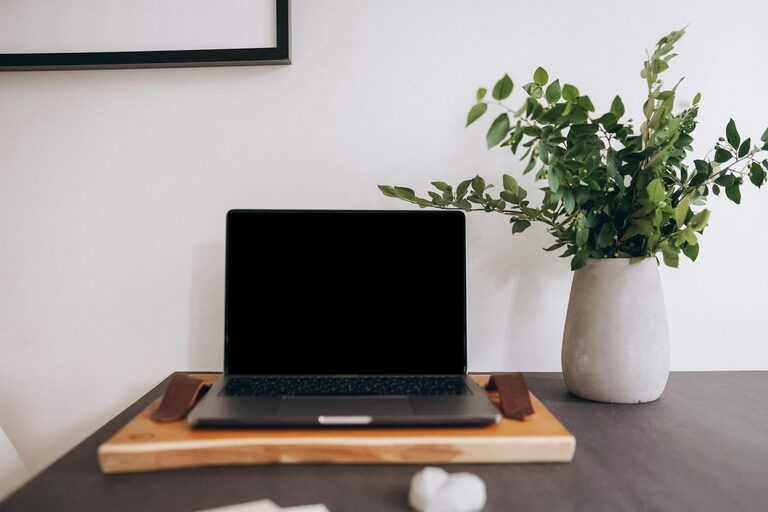
Tips for Creating an Organized and Productive Home Workspace
Create a home workspace that boosts your productivity with these simple and effective organization tips. [...]
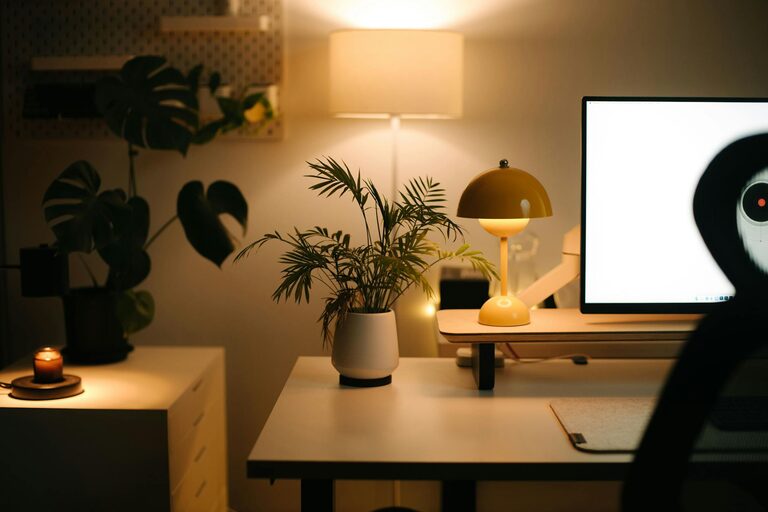
Tips for Creating a Cozy and Inviting Home Workspace
Discover practical tips to design a cozy and inviting home workspace that boosts productivity and [...]
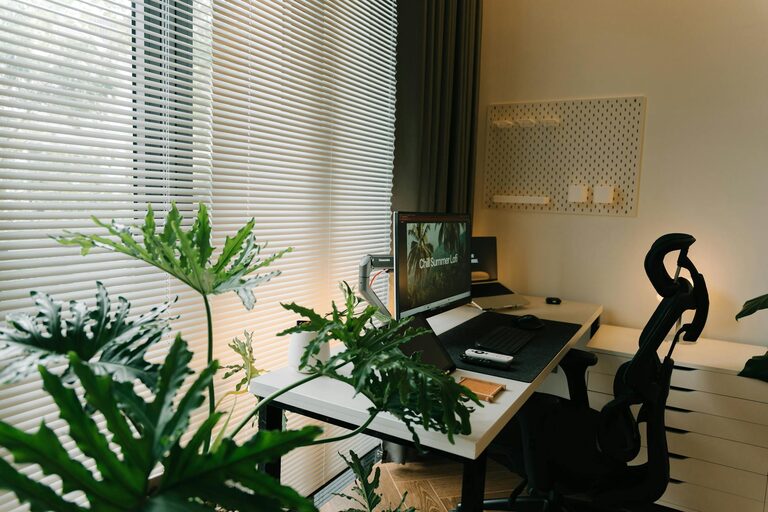
Tips for Creating a Relaxing Home Workspace to Boost Productivity
Discover practical tips to design a calm and comfortable home workspace that enhances focus and [...]